

Understanding Neck Strains: Causes, Symptoms, and Recovery Tips

Neck pain is a common problem that affects many people at some point in their lives.
It can be caused by various reasons, including neck strains. Neck strains occur when the muscles and ligaments in the neck are stretched or torn.
To effectively deal with your neck pain, it is crucial to understand what is causing it. Neck pain can be attributed to multiple factors, such as poor posture, repeated motions, or injuries like whiplash. By identifying the root cause of your neck pain, you can determine the best approach for treatment.
Neck strains are a common cause of neck pain and discomfort. They occur when the muscles in the neck are stretched or torn due to overuse, poor posture, or sudden movements. Recognizing the causes and symptoms of neck strains can help you prevent them and manage them efficiently.
The most frequent cause of neck strains is sudden neck movements, such as those experienced in car accidents, sports injuries, or any physical activities that strain the neck. Poor posture and repetitive movements, like those required during computer work, can cause neck strain.
The symptoms of neck strains may vary from person to person, but the most common ones include:
If the neck strain is severe, you may also experience the following:
Neck strains can be very painful and can affect your daily activities. However, most people recover within a few days or weeks with proper treatment. Here are some tips to help you recover from a neck strain:
Try to avoid any activities that cause pain or discomfort in your neck. Resting your neck can help reduce inflammation and speed up the healing process.
Use ice or heat therapyApplying a Frozen ice pack or a heat pack to the back of the neck can help relieve pain and reduce inflammation. Place ice cubes in an ice cube tray or use a dry heat source like a heating pad. Make sure not to apply either for more than 20 minutes.
Take over-the-counter (OTC) pain reliefNonsteroidal anti-inflammatory drugs (NSAIDs) like ibuprofen and naproxen can help relieve pain and reduce inflammation. However, follow the instructions on the label of the otc pain reliever and talk to your doctor if you have any liver disease or are taking blood thinners.
Stretch and exerciseGently stretching and exercising your neck can help improve flexibility and relieve tension in your neck muscles. However, consult your doctor or physical therapist before starting any exercise program.
Consider physical therapyIf your neck strain is severe or persists over a few weeks, your doctor may recommend physical therapy. Physical therapy can help you regain mobility and strength in your neck muscles.
Take pain medicationIn some cases, pain medicines may be necessary to manage long-term pain.
If you're suffering from neck pain, it's essential to understand the causes and treatment options available to help alleviate your symptoms.
To prevent neck strains, practicing good posture, stretching regularly, taking frequent breaks, avoiding sudden movements, and strengthening neck muscles are important. If you experience a neck strain, treatment may involve rest, over-the-counter pain relievers, applying heat or cold, and taking pain medication. However, if you suspect a broken neck, seek immediate medical attention.
To get Extra strength in your cervical vertebrae, doing strengthening exercises and eating a balanced diet are important.
To maintain good cervical vertebrae health, it's important to exercise regularly, eat a balanced diet, get enough rest, and avoid smoking and alcohol. If you have any concerns, it's always best to consult a healthcare professional.
Neck strains can be painful, but most people recover with proper treatment within a few days or weeks. To prevent neck strains, maintain good posture and avoid repetitive movements. If you experience severe neck pain or suspect a neck injury, seek medical attention immediately.
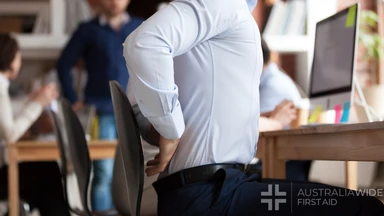
May 16, 2023
Learn about Repetitive Strain Injury (RSI) caused by overuse of certain muscles and tendons resulting in chronic pain, discomfort, and decreased quality of life. Understand the symptoms, causes, and treatment options available for RSI, including rest, physical therapy, stress management, and ergonomic adjustments. Discover the differences between tendonitis and bursitis, two types of RSI affecting different areas of the body, and find out how to prevent RSI by taking frequent breaks, maintaining proper posture, and managing stress.
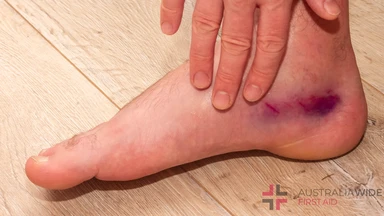
May 15, 2023
Learn about the causes and common areas for soft tissue injuries in sports. From knee sprains to shoulder strains, these injuries can range from mild to severe, causing pain, swelling, and difficulty moving. Find out how to prevent and treat these injuries to get back in the game.

May 15, 2023
Learn the difference between sprains and strains, and how to treat them. Get insights on these common soft tissue injuries that can affect anyone, from athletes to those with sedentary lifestyles