

First Aid for Migraines

A migraine is a neurological disorder typically characterised by throbbing pain on one side of the head. Migraines are common among Australians and can be triggered by stressful situations and poor sleeping habits.
Today, we are going to cover what migraines are, how prevalent migraines are in Australia, and the common signs and symptoms of migraines.
We are also going to look at some common causes and triggers of migraines, the differences between migraines and headaches, and how to prevent and treat migraines using first aid.
It is important to learn how to identify migraines, how to perform the necessary first aid treatments for migraines, and how to practise prevention strategies to stay migraine free.
Migraines affect one in every five Australians. According to a study carried out in Australia in 2018, close to an estimated 5 million Australians suffer from migraines. Among them, 7.6% experience chronic migraines.
71% of migraine sufferers are women and 86% are of working age. 23% of Australian households consist of at least one person who suffers from migraines.
The onset of this disorder varies from person to person. For some, it begins in childhood. For others, it starts in their 20s or 30s. It is more uncommon for someone in their 40s to get migraines. The Deloitte Access Economics Report stated that the direct and indirect economic cost of migraines alone in Australia was estimated at 35.7 billion dollars per annum.
These warning symptoms begin up to 24 hours before the migraine attack. Symptoms include:
Visual symptoms affect 90% of people who experience migraine with aura. Aura affects the visual field of both eyes and lasts 5 to 60 minutes before vision restores itself. Symptoms are fully reversible and usually last for only an hour. Symptoms include:
Headaches cause pain on both sides of the head that is characterised as a tight pressure instead of a throbbing pain. Likewise, the pain from headaches is rarely described as “severe”.
However, migraines consist of many symptoms, including headache. Migraines are signalled by throbbing pain in one side of the head. Another big difference between headaches and migraines is that migraines can be debilitating and affect your whole body.
And before a migraine begins, people normally feel unwell for a day, and will continue to feel unwell for up to 3 days.
Learn to recognise trigger events and prevent migraines early. To learn to identify, prevent and manage the symptoms of migraines, book a First Aid course with Australia Wide First Aid today!
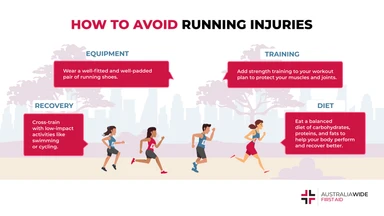
September 13, 2022
Running is fast emerging as one of the most popular physical activities in Australia, and for good reason. Running can help strengthen your bones, muscles, and heart health. However, injuries regularly befall runners, including stress fractures, shin splints, and tendinopathy.
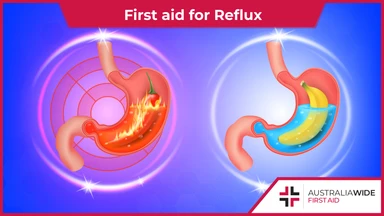
August 31, 2022
Acid reflux is a condition in which stomach acid rises into the oesophagus. It occurs when the oesophageal sphincter does not tighten properly, such as when we eat too much food. Though acid reflux is usually not a cause for concern, it can lead to oesophageal scarring if left untreated.
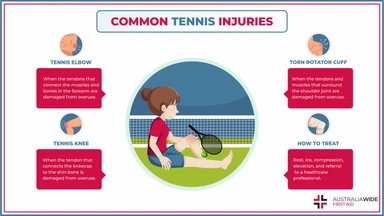
August 22, 2022
Tennis is a racquet sport that is popular among Australians of all ages, and for good reason. Tennis can help people improve their strength, flexibility, and aerobic capacity. However, tennis players are prone to a wide variety of soft tissue injuries.