

First Aid for Epileptic Seizures

As a leading provider of First Aid training courses in Sydney, we’re keen to share knowledge about careful management of epileptic seizures.
It’s important not to overlook the fact that the side-effects of epileptic episodes include fatalities. Medication, however, helps mitigate the situation for many.
For up to 30 per cent of epilepsy sufferers in Australia, however, seizures remain a danger.
What you can do to minimise the risks with epileptic seizures?
Read on to learn more about the dangers of epilepsy and how First Aid training can help.
There are a number of risks related to epileptic seizures, particularly when they are not controlled by medication and when those seizures are inadequately managed.
For example, a tonic-clonic seizure — when the body stiffens before its movements become jerky — could happen while the person is climbing or swimming. This type of seizure is already critical, but here it is compounded by an activity that already involves risks of its own.
Regardless of when an epileptic seizure occurs, medical intervention is crucial to help manage the risks.
Here are 8 First Aid pointers about what to do and what not to do if you happen to be present when someone experiences a tonic-clonic seizure:
If you are in any doubt about how dangerous the epileptic seizure is, or how it may have affected the person, call Emergency Services on 000.
Call an ambulance for a person experiencing epileptic seizure when:
August 31, 2020
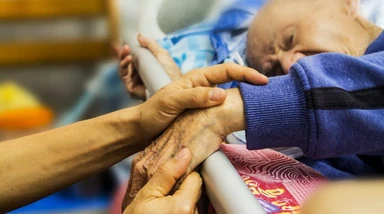
After all, we’re talking about care for some of the most vulnerable people in our community. And care for those with special needs are complex, often involving mental health as well as physical health.
October 5, 2021
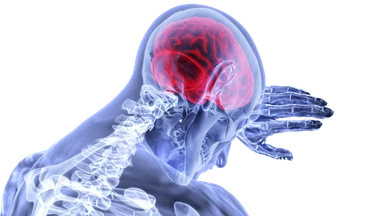
A stroke is a medical emergency that can have severe repercussions. If you suspect stroke, time is of the essence. Do not delay calling 000 for help.
June 24, 2019
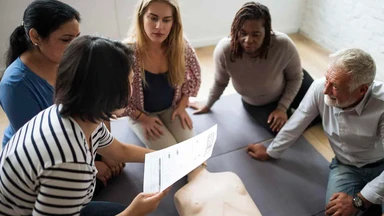
Australian law requires workplaces to provide employees with access to first aid equipment and facilities, as well as to trained personnel to administer first aid. The sensible option is to have staff first aid training. The benefits are many…