

Aortic Dissection First Aid

An aortic dissection can occur when there is a tear in the inner layer of the aorta, the main artery that carries oxygen-rich blood from the heart to the rest of the body.
Blood rushes through the tear, which causes the inner and middle layers of the aorta to split or dissect.
This can stop normal blood flow or rupture the aorta completely, and so it is important to know first aid for aortic dissection.
Tears or weakened areas in the aorta occur due to a slow breakdown of cells that make up the walls of the aorta.
While some people inherit a vulnerability to this type of cell breakdown, it can also be caused by stresses to the aortic wall.
These stresses include: hypertension, or ongoing high blood pressure; atherosclerosis, a build up of plaque in the arteries; and, aortic aneurysm, an abnormal enlargement or bulge in the aortic wall.
It is important to remember, aortic dissections begin abruptly, and they can even happen while you are resting or sleeping.
Common signs and symptoms of an aortic dissection include:
Aortic dissection is a life-threatening condition, as it can result in severe internal bleeding, organ damage, and stroke.
If a person begins exhibiting symptoms of aortic dissection, such as sudden onset chest pain, follow DRSABCD and call Triple Zero (000) for an ambulance.
It is also important to remember, if a person is displaying these symptoms, sit them on the floor against a wall and make them comfortable. You should also loosen any of the casualty's tight clothing, and reassure them, as this can help lower their heart rate and take pressure off the aortic valve. Finally, ask someone to fetch a defibrillator, as the casualty may go into cardiac arrest.
A diagnosis of aortic dissection can only be made at the hospital.
For more information on how to prevent, identify, and manage symptoms of aortic dissection, head to a first aid course near you.
The following first aid courses look at aortic dissection:
Disclaimer: This article is for informational purposes only. It does not constitute, replace, or qualify as any form of first aid training.
June 17, 2022
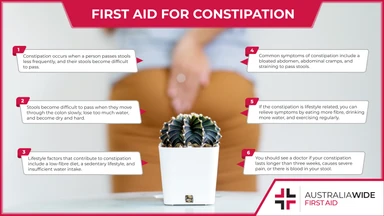
Constipation occurs when a person passes stools less frequently, and their stools become difficult to pass. It is important to know first aid for constipation, as chronic constipation can either lead to, or be a symptom of, ongoing health complications.
June 16, 2022
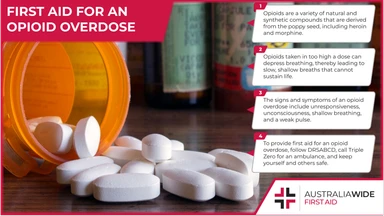
Opioids are a group of natural and synthetic compounds that have sedative and analgesic effects. They can often lead to dependence. It is important to know first aid for opioid overdoses, as casualties can stop breathing in a matter of minutes.
June 15, 2022
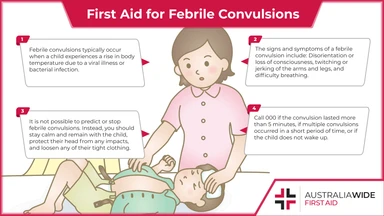
A febrile convulsion is a fit or seizure that can occur when a child experiences a fever. It is important to know first aid for febrile convulsions, so that you can reduce your child’s discomfort.