

Asthma Action Plan

Asthma is one of the world's most pervasive chronic diseases. With an estimated 300 million individuals affected around the world, its prevalence is continuously increasing.
Australia has one of the highest prevalence rates in the world – more than two million asthmatics.
Fortunately, asthma can be effectively treated and, with proper management, good control of the symptoms can be achieved by the vast majority of patients.
Asthma control is viewed in terms of symptom control and future risk, meaning a person's asthma is under control when they can:
Asthma can vary from day to day, over the course of weeks or months. For example, after weeks or months of no symptoms, a change of seasons can agitate your asthma.
Recognise the signs when your asthma is agitated or getting worse. This will effectively help to keep your asthma under control.
Your asthma could be getting worse if:
Control over your asthma is easier when you know the signs and act accordingly.
Asthma is:
People with asthma have chronic inflammation in their lungs. Their airways narrow more easily than people without asthma in response to a variety of factors. These 'triggers' can include:
One person with asthma will generally react to these factors differently to another.
For an individual learning to control their asthma, identifying their triggers and knowing how to avoid them is a HUGE step forward.
The ongoing increase in asthma prevalence around the world is one the biggest mysteries in modern medicine.
Scientists in the 1990s, thought diesel exhaust and pollution could be the cause of the asthma epidemic. They now agree the picture is more complex, differing from individual to individual.
For more information, please see our other articles on asthma:

May 23, 2022
Most people are familiar with common food allergies, such as cow's milk, tree nuts, and shellfish. However, there are many non-food substances that can also cause allergy symptoms. It is important to recognise common non-food allergens, as they can sometimes cause severe allergy symptoms.
May 20, 2022
This week we celebrate Food Allergy Week, an initiative by Allergy & Anaphylaxis Australia (A&AA) to raise awareness about, and rally support for, people living with food allergies.
June 9, 2020
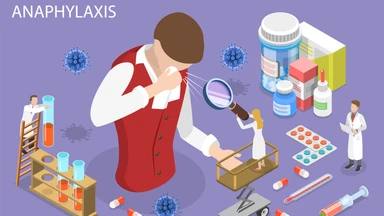
Anaphylaxis is a severe allergic reaction that can be life-threatening. As such, it is vital that people living with the risk of anaphylaxis know how to prevent, identify, and treat severe allergy symptoms.